Tyre Puncture: Signs, Causes and What to Do Next
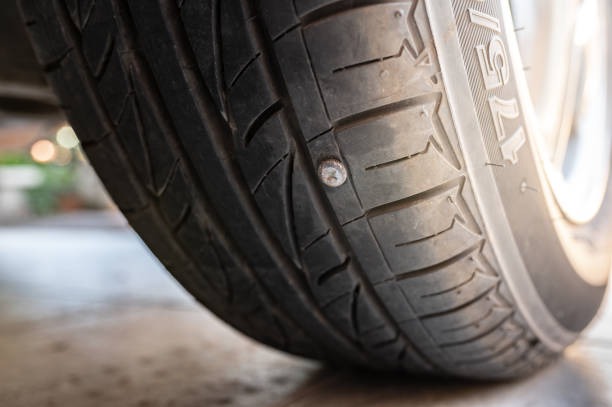
A damaged tyre can affect vehicle handling and may leave a driver stranded if the problem becomes severe. A tyre puncture occurs when an object or other form of damage allows air to escape from the tyre. While some punctures cause rapid pressure loss, others develop slowly and may not be immediately obvious.
Recognising the warning signs can help motorists respond before the tyre loses significant pressure. Drivers should also understand that not every damaged tyre can be safely repaired, making professional inspection important when a problem is suspected.
How Can You Tell If a Tyre Is Punctured?
One of the most noticeable signs is a tyre that repeatedly loses inflation pressure. A vehicle’s tyre pressure monitoring system may also display a warning when pressure falls below the system’s threshold.
Drivers who suspect a tyre puncture should also pay attention to changes in vehicle behaviour. Unusual pulling, vibration or a noticeably deflated tyre can indicate that further inspection is required.
If the tyre appears severely underinflated, continuing to drive may cause additional damage.
What Commonly Causes Punctures?
Sharp objects on the road are a common source of tyre damage. Nails, screws and other debris can penetrate the tread and create an opening through which air gradually or rapidly escapes.
Road hazards such as potholes and sharp impacts can also damage tyres. In some situations, pressure loss may be associated with the valve or the area where the tyre seals against the wheel rather than an obvious object in the tread.
Identifying the actual source is therefore important before deciding how the problem should be addressed.
Check Tyre Pressure Regularly
Routine pressure checks can help motorists identify slow air loss. Tyres should be inflated according to the vehicle manufacturer’s recommended pressures rather than simply using a number printed elsewhere on the tyre.
If one tyre consistently requires more frequent inflation than the others, a tyre puncture or another source of leakage may be present. Repeatedly adding air without investigating the cause is not a long-term solution.
Can a Punctured Tyre Be Repaired?
Whether repair is appropriate depends on factors including the location and extent of the damage and the tyre’s overall condition. Certain punctures within an appropriate tread area may be repairable after professional inspection.
Damage involving the sidewall or other critical areas can present different concerns. Tyres that have been driven while severely underinflated may also have internal damage that is not obvious from an external inspection.
For these reasons, motorists should have the tyre assessed by a qualified tyre professional rather than assuming that every puncture can be patched.
What Should You Do While Driving?
If a tyre suddenly loses pressure while driving, remain attentive to vehicle control and avoid abrupt steering or braking where possible. Reduce speed appropriately and move to a safe location away from traffic when conditions permit.
Once stopped safely, inspect the situation without placing yourself in danger from passing vehicles. Roadside assistance may be preferable if changing a wheel cannot be performed safely.
Inspect the Remaining Tyres
When one tyre is damaged, it can be useful to inspect the other tyres as well. Check inflation pressure, tread condition and visible signs of cracking, bulging or embedded objects.
Regular inspections can identify developing problems before they result in unexpected pressure loss.
Repair or Replacement Considerations
A professional should consider the puncture location, damage size, remaining tread and overall tyre condition when recommending repair or replacement. Drivers should also follow tyre and vehicle manufacturer guidance.
Conclusion
A tyre puncture can range from a slow leak to sudden pressure loss, with nails, road debris and impacts among the possible causes. Regular pressure checks and attention to changes in vehicle behaviour can help motorists identify problems earlier. When damage is suspected, professional inspection is the appropriate way to determine whether the tyre can be repaired or should be replaced.